CASE STUDY 001 · GOGUARDIAN DISCOVER
Districts were renewing $1.5M in app licenses on gut feel.
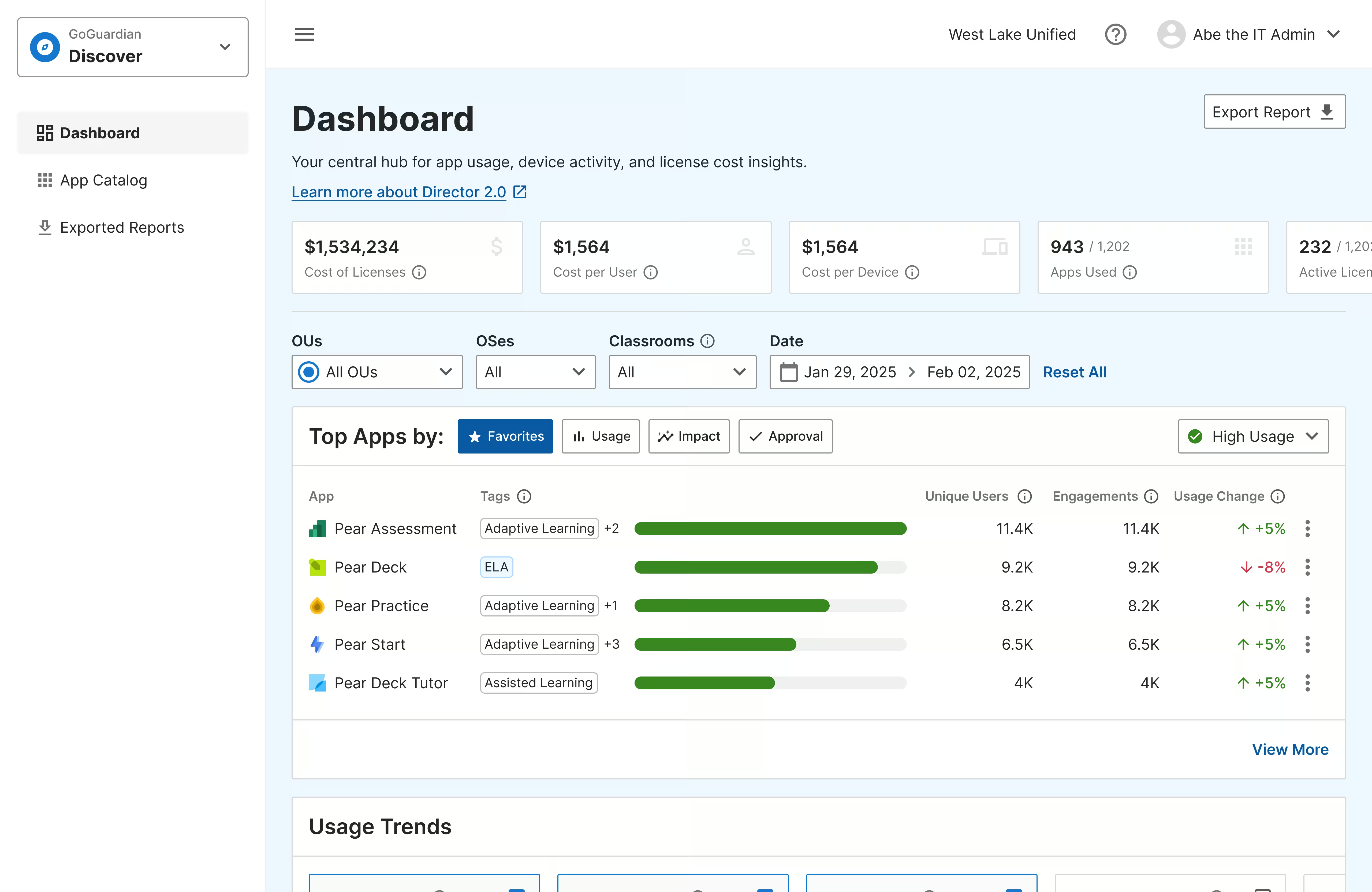
Discover is a 0-to-1 product that tells district technology leaders which software their schools actually use, what it costs, and whether it's safe to keep. I led the design from the first district interview through alpha. There was no existing product to borrow a mental model from.
OUTCOME — contributed to $4M in projected 2026 bookings
- Lead Product Designer
- Me · 1 PM · 1 tech lead
- Summer 2025
- Web app
- Research · IA · UI · prototype
THE PROBLEM
Big decisions, made with no data behind them.
Districts run thousands of apps across students and staff — easily millions of dollars a year in licenses. Almost none of the technology leaders I talked to could tell me which of those apps people actually opened. Renewals came down to relationships and whoever sent the loudest email. One tech director called it “the Wild West.”
GoGuardian was already trusted inside these districts for its admin and classroom tools, and the usage signal was already data that our company had access to. The product to compile, compute, and display it, however, wasn’t. My job was to turn data that existed in disparate systems into one view a leader could open before a budget meeting and make an informed decision.
THE THREE QUESTIONS THAT DROVE OUR DESIGN STRATEGY
- Q1
What are we actually paying for?
- Q2
Is anyone using it?
- Q3
Is it approved, compliant, or just redundant?
WHERE I STARTED
No product to react to, so I started with people.
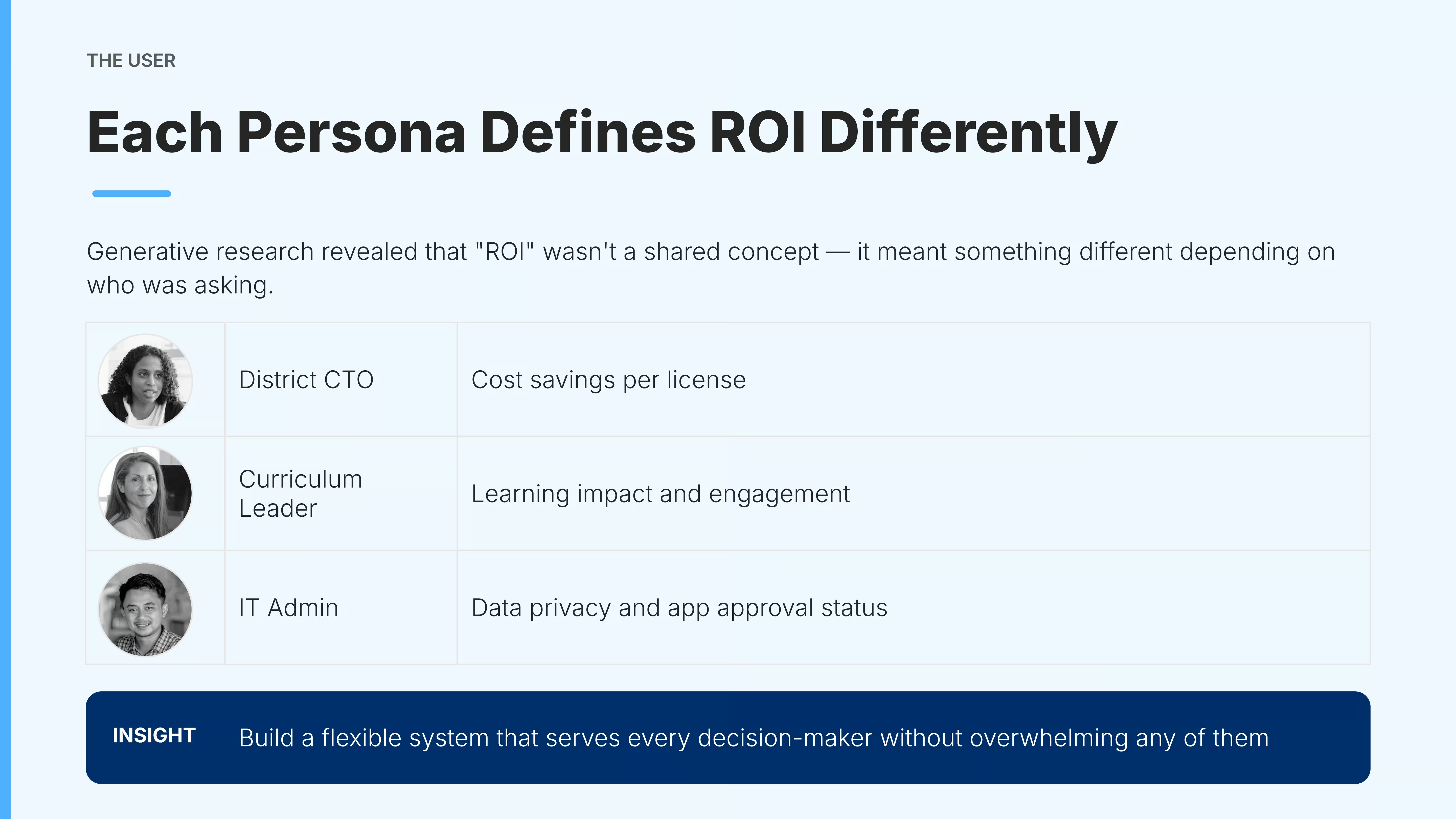
I ran 12 interviews with CTOs, IT admins, and curriculum leaders before I sketched a single screen. One theme that emerged early was that each persona defined “ROI” differently.
ROI meant cost per license to the CTO, learning outcomes to the curriculum leader, and privacy and approval status to the IT admin. Therefore, I set out to build a product that could provide a meaningful answer to each persona.
STRUCTURE
Organized around decisions, not data feeds.
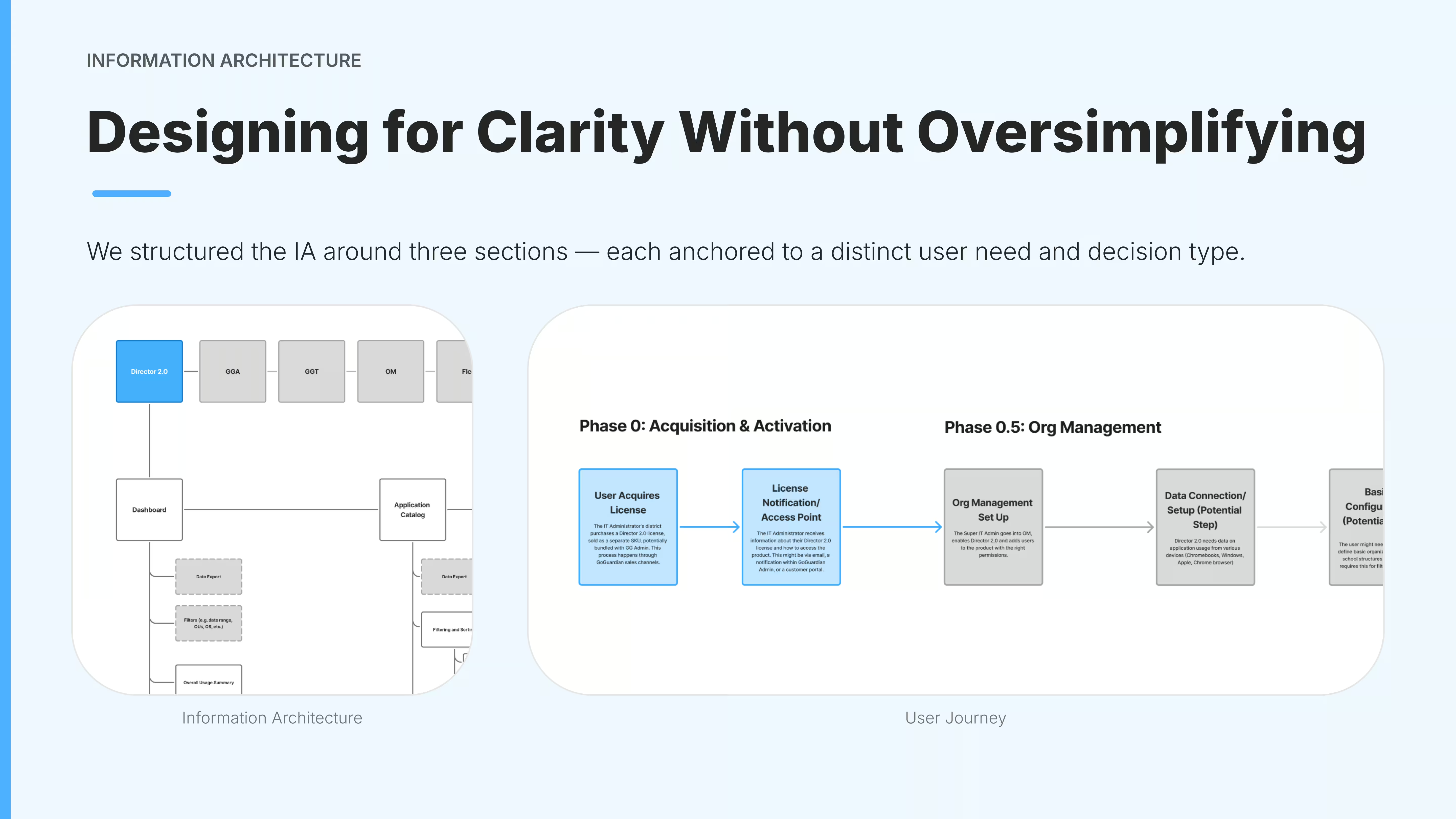
I worked out the IA and the core journeys with my PM and tech lead in FigJam before I prototyped anything. We constrained ourselves to structuring the product around the decisions people were trying to make, not around the data we happened to have.
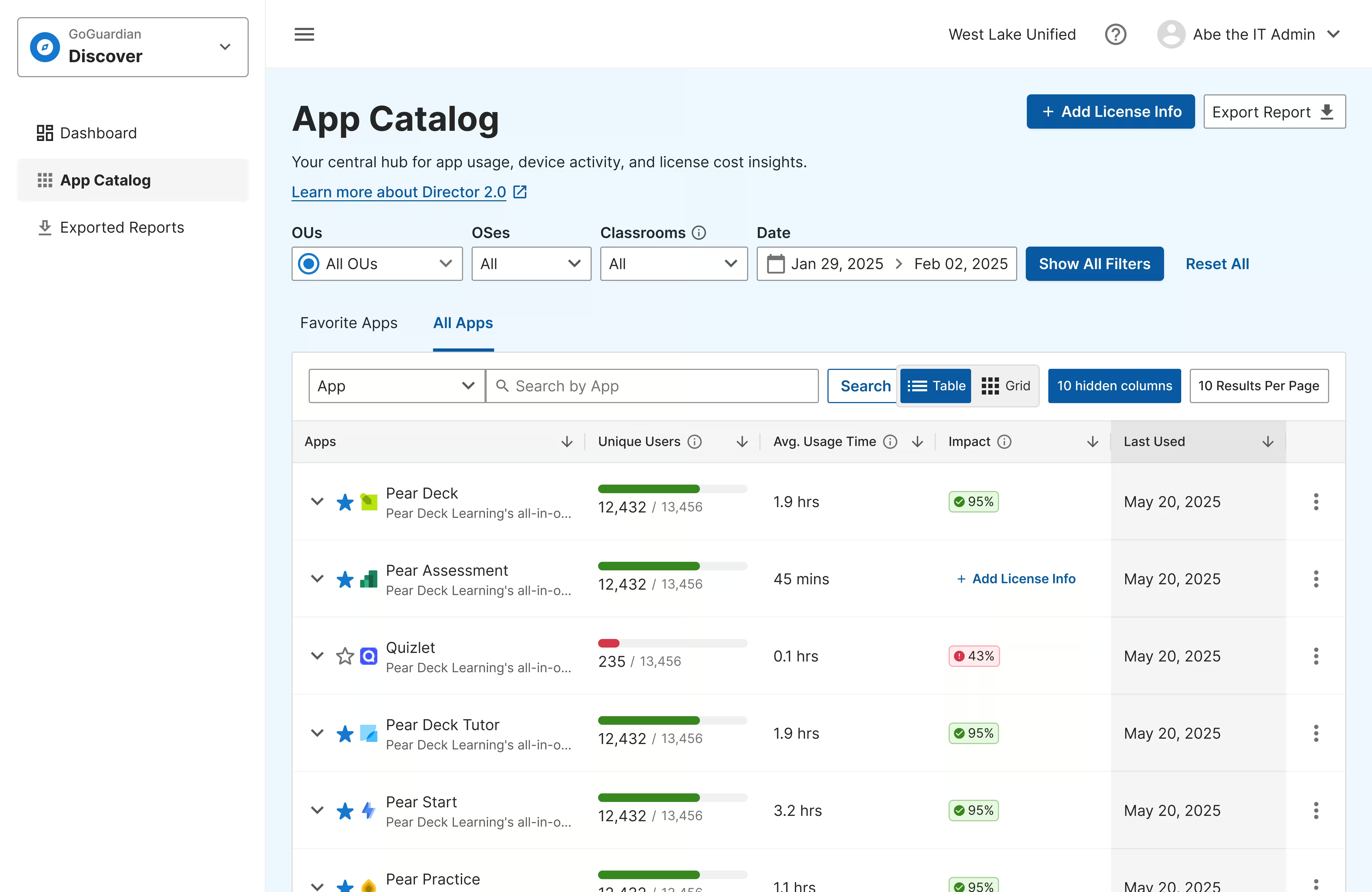
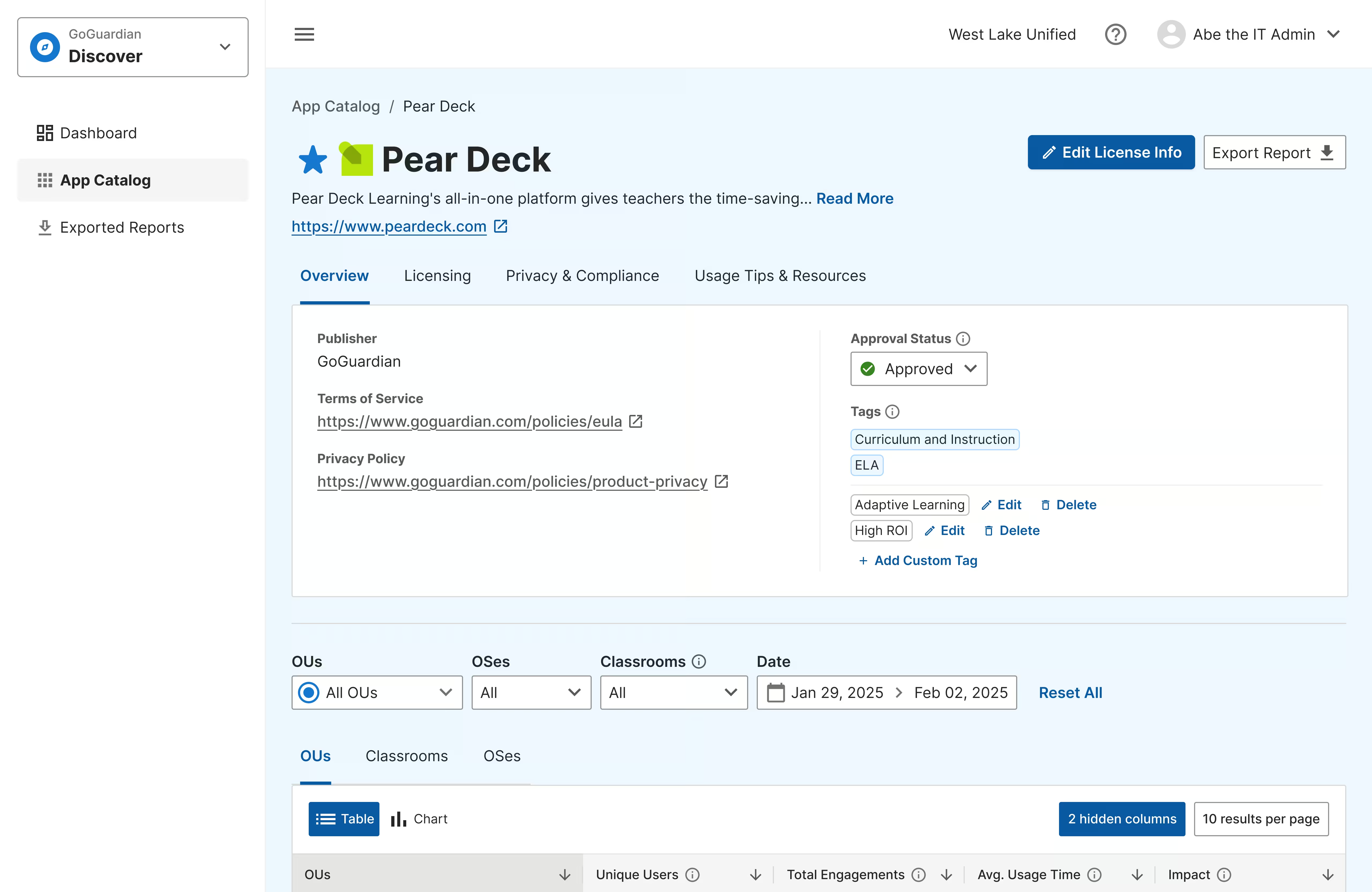
It shipped as three surfaces — a Dashboard for what needs attention now, an App Catalog for searching the whole portfolio, and App Detail pages for the renewal, compliance, and usage drill-downs.
WHAT TESTING CHANGED
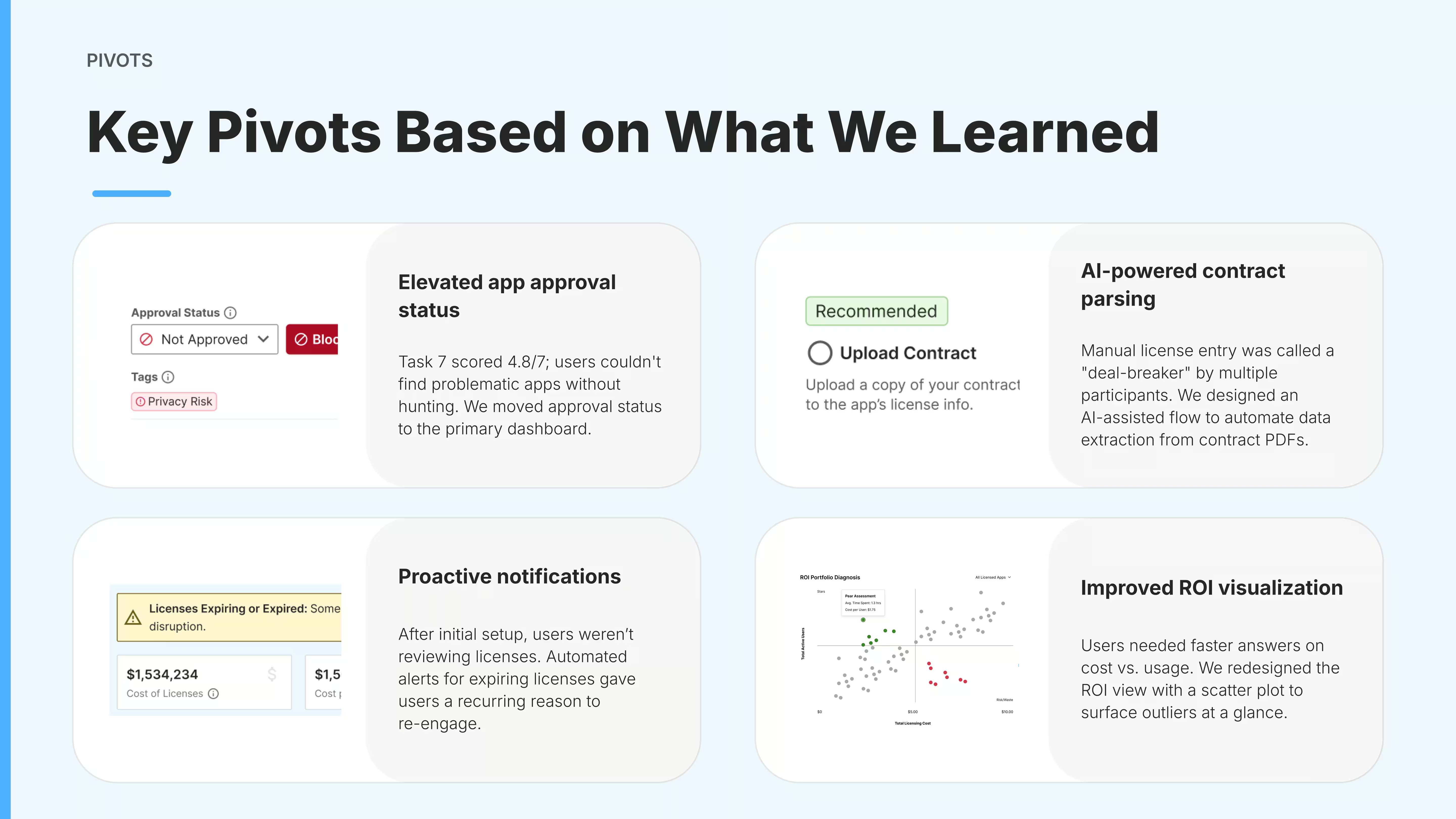
Six users, seven tasks, four pivots.
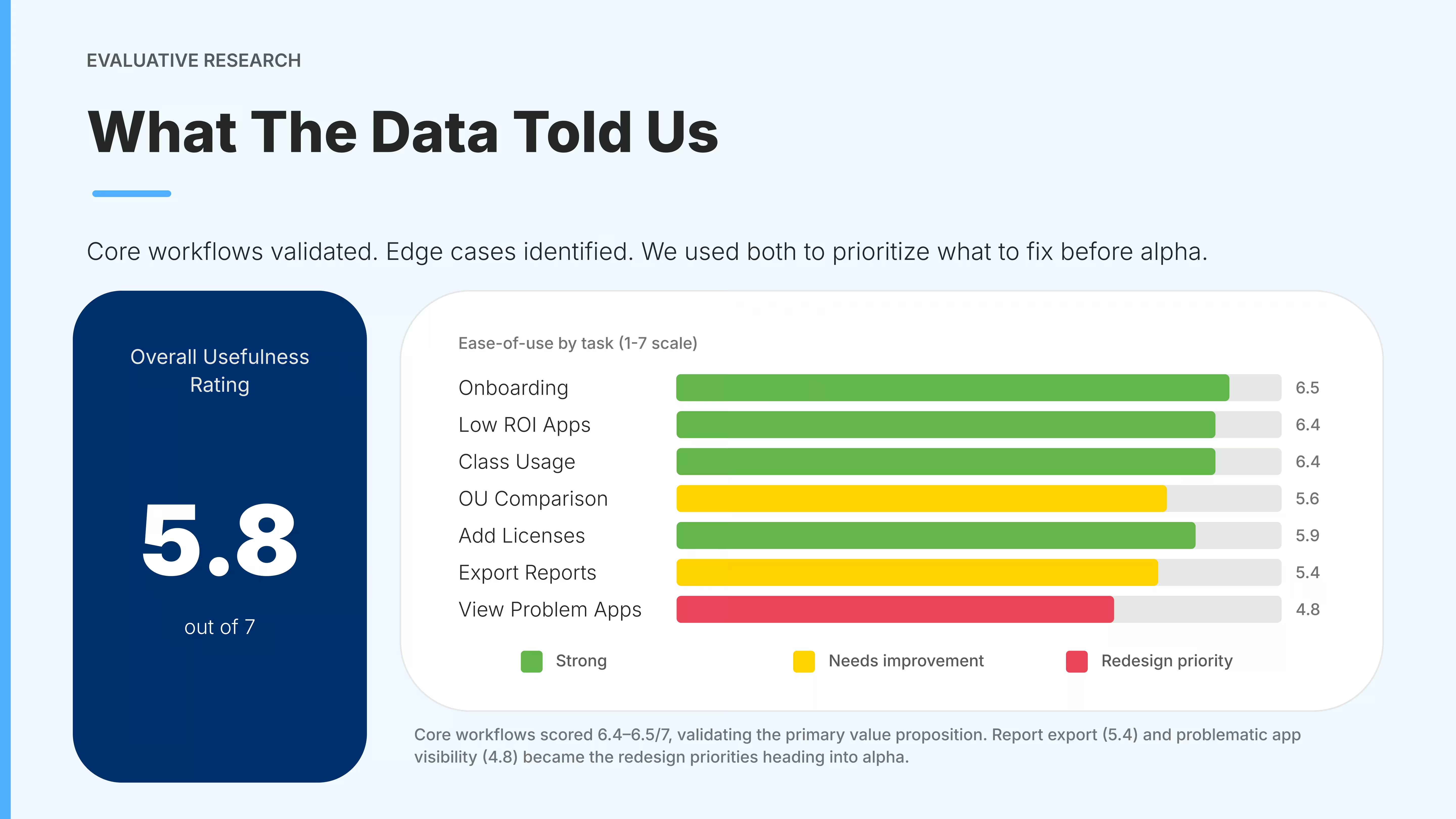
I ran a moderated study with six participants across seven tasks, onboarding through app-level decisions. Most of the core flows tested well, which was a good sign for the value proposition. Two didn’t, and the one that was most problematic was the export flow: the screen a CTO uses to build a renewal case for their board.
The original export flow had been built on a pattern inherited from GoGuardian Admin, where it was made for IT admins managing device fleets. Discover’s export users aren’t doing that. Instead, they’re making a case to a school board. Therefore, we rebuilt the flow around what people actually do with the file.
“Jules excels at navigating abstract problems and translating them into thoughtful, evidence-based recommendations.”
WHAT HAPPENED
It earned its spot on the roadmap.
The $4M figure isn’t a model. It’s what CSMs heard directly from districts in the pipeline who finished the alpha and said they intended to buy.
A participant from Los Angeles Unified — the second-largest district in the country — told us it was further along than anything they’d seen from our competitors at that stage. Another said, unprompted, that they planned to advocate for it at their school board meetings.
$4M
in projected 2026 bookings the team attributes to Discover's alpha and validated fit.
12
districts in generative research, with every design decision mapped to an insight from our research.
5.8 /7
overall usefulness in testing, with core workflows scoring 6.4–6.5.
THE SHIPPED ALPHA /
WHAT I'D KEEP, WHAT I'D CHANGE
Two things this project taught me.
WHAT I'D CHANGE
Inherited patterns don't always transfer.
At first, I intended to reuse the export pattern from GoGuardian Admin because reusing it seemed to be the most efficient path. However, this pattern didn't meet the needs of the users we tested the concept with. I'm less rigid about reusing patterns now, and quicker to test them with real users in context before I commit to reuse.
WHAT I'D KEEP
AI earns trust by being specific.
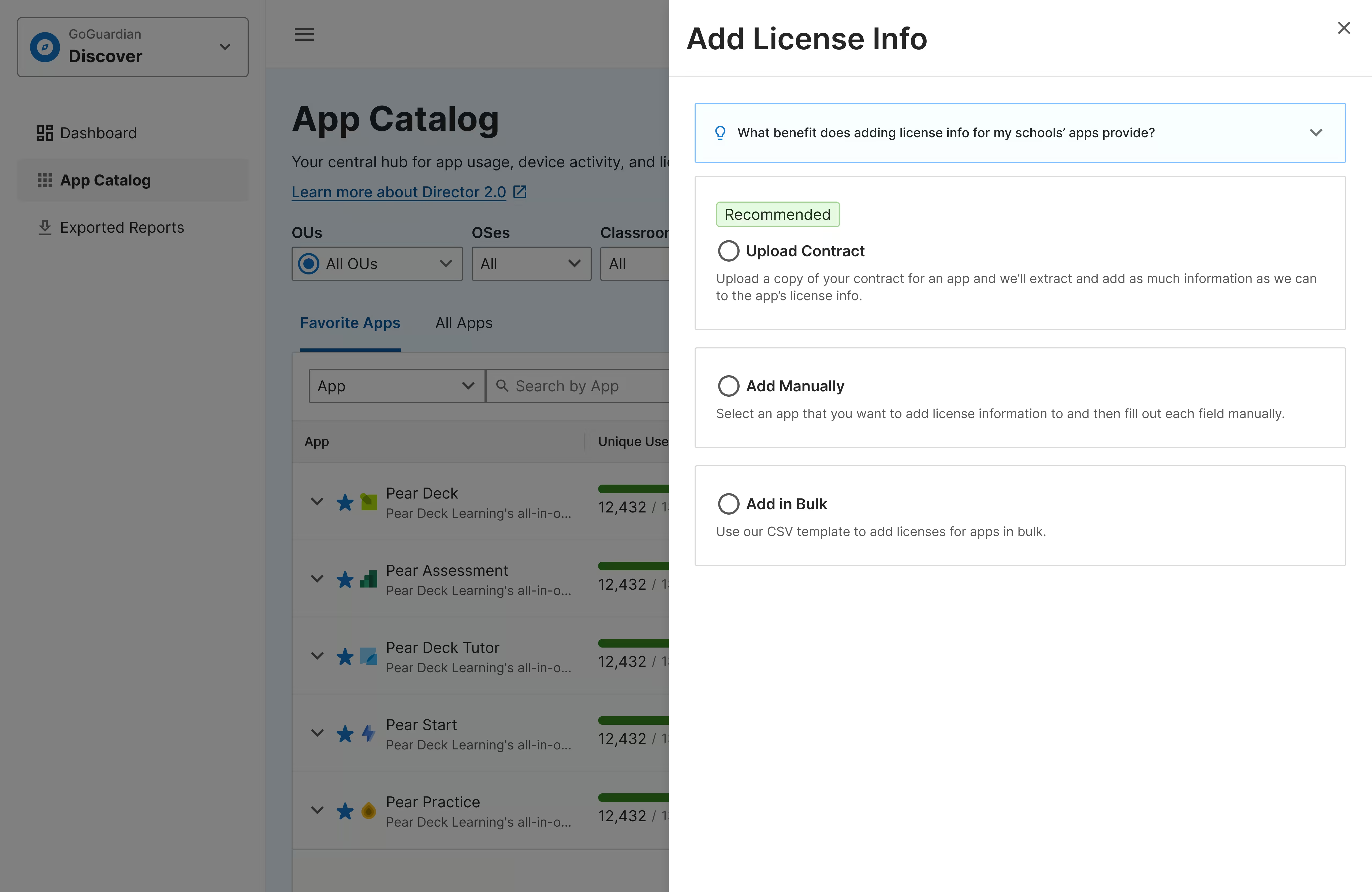
The AI contract-parsing feature worked because it did one thing well: it automated the manual entry of app licenses. People didn't trust it because it was "AI." They trusted it because of its targeted nature and because they could see exactly what it did. I'm more aware that a narrow and targeted AI tool may well be more useful (even if less exciting) than a general and broad AI capability.
NEXT CASE STUDY — 002
Six products, no shared parts.